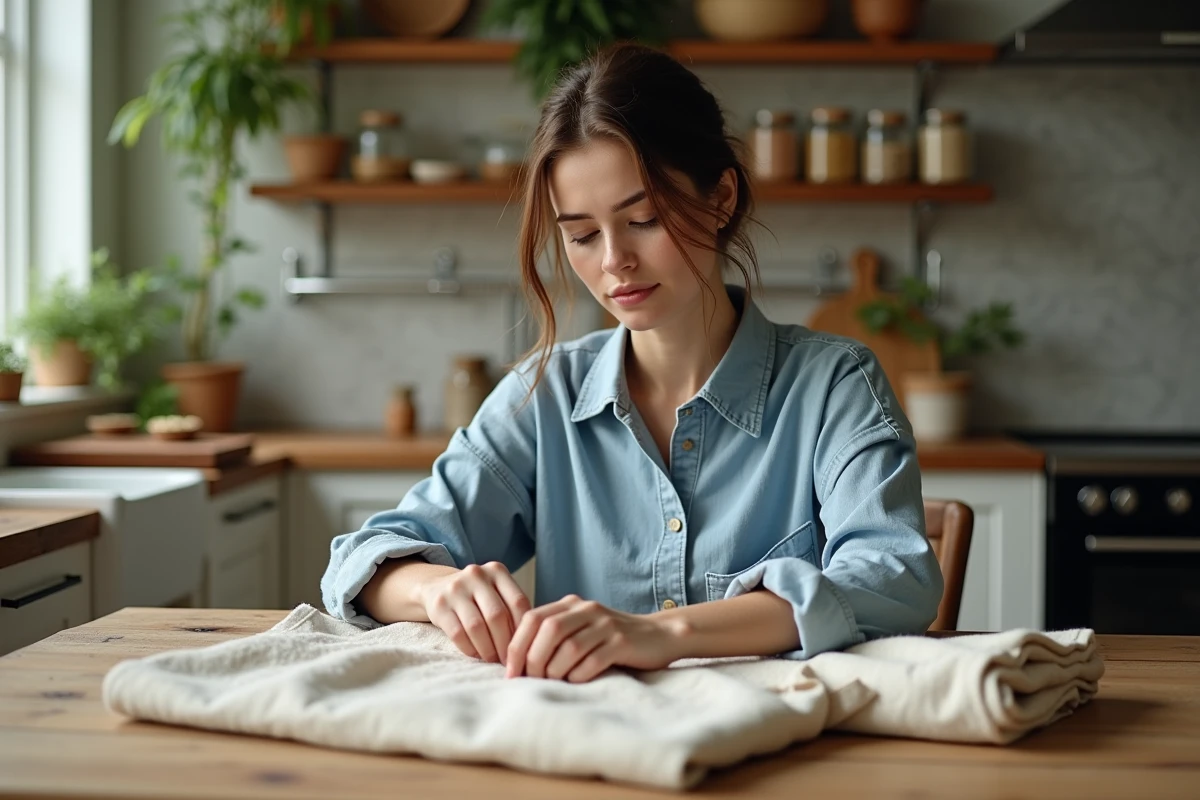
Organic cotton remains a minority in global textile production, while the demand for ethical clothing continues to grow. Some brands showcase ecological commitments but continue to produce on a large scale under opaque conditions. Recognized labels exist, but their specifications vary greatly from country to country.
The second-hand market has surpassed fast fashion on several digital platforms, revealing a shift in consumption habits. Yet, the average lifespan of a new garment does not reach three years, despite the rise of discussions around sustainability.
Why responsible fashion is increasingly appealing: understanding the essence of the movement
Responsible fashion is shaking up the norms. In the face of the frenzy of fast fashion and resource depletion, a growing share of consumers is seeking alternatives. Tired of mass production and clothing without a story, they are turning to pieces that are both ethical and sustainable. This trend translates into a fresh perspective on the traceability of garments, environmental and social impact, as well as the actual quality of fabrics and finishes.
Figures confirm this profound change: over 60% of French people wish to alter their clothing purchasing habits to reduce their ecological footprint. This dynamic, driven by an increasing interest in reliable labels and authentic transparency from ethical brands, is becoming ingrained in daily life. In France and Europe, responsible consumption is no longer just a stance: it is becoming a lifestyle, where coherence, respect for craftsmanship, and valuing the “long time” matter more than fashion trends.
The appeal of slow fashion is also explained by the desire to reconcile quality and quantity. On the fashion section of Blog Autonome, concrete alternatives abound: tips for better choices, decoding certifications, highlighting local initiatives. This movement extends far beyond French borders: it is reshaping the landscape of a textile industry in full transformation, driven by demanding and curious consumers.
What are the trends redefining ethical fashion today?
The textile sector is evolving rapidly, driven by new expectations. Today’s ethical fashion trends draw inspiration from more sustainable raw materials. There is an increasing presence of organic cotton, linen, hemp, and recycled polyester in collections. Materials like Tencel and bamboo are appealing due to their low environmental impact.
Consumers are no longer swayed by mere promises: they scrutinize environmental and social labels, such as the Global Organic Textile Standard (GOTS), which guarantees a high level of transparency and respect for both people and the planet. Natural dyes are on the rise, limiting the use of toxic substances. The growth of vegan leather and animal-free alternatives shows that coherence now guides choices down to the finishes.
The success of second-hand, recycling, and upcycling is disrupting the circulation of clothing. The circular economy, focused on waste reduction, encourages reuse, repair, and transformation of what already exists. This movement is accompanied by a return to local production and craftsmanship, which value short circuits, the richness of know-how, and the reduction of carbon footprints.
Inclusivity and accessibility are also asserting themselves, demanding diversity in sizes, cuts, and styles. Social media amplifies the impact of these trends, pushing brands to go beyond mere “greenwashing” in favor of genuine traceability.
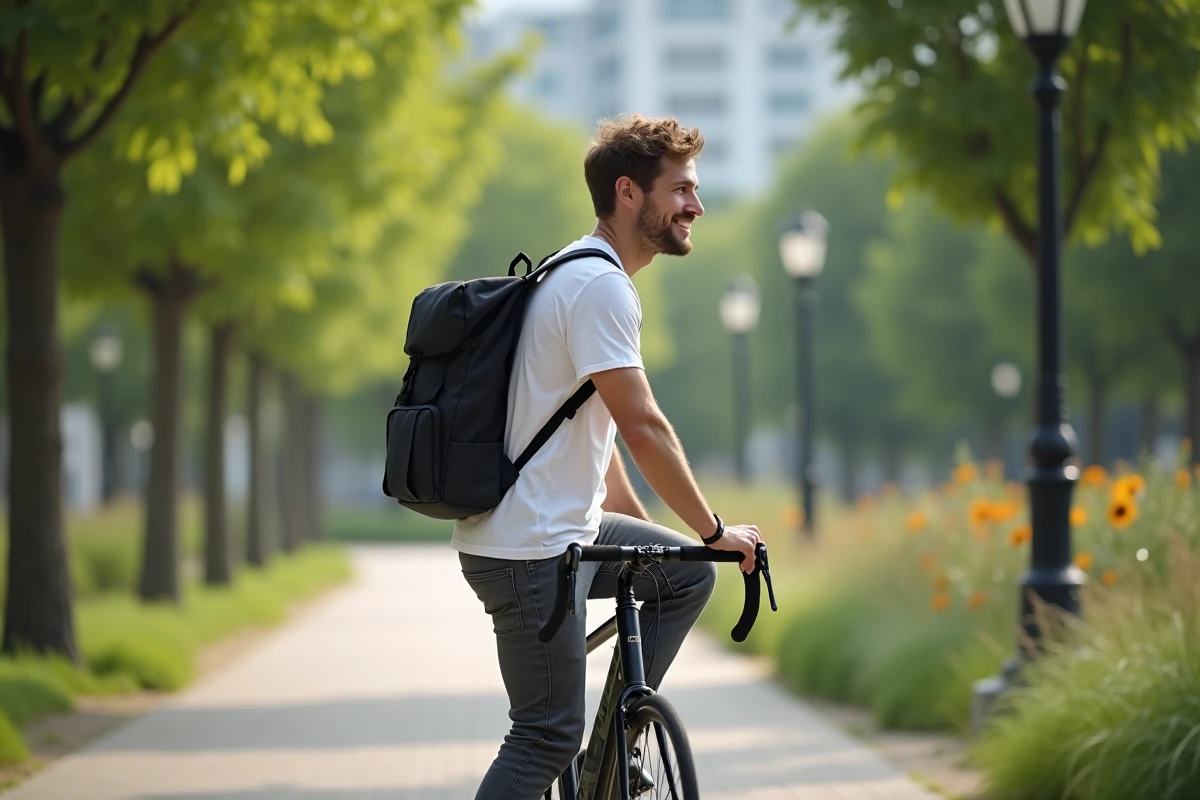
Concrete tips for adopting a more autonomous and sustainable wardrobe in daily life
To transform the way one consumes fashion, certain choices make a difference.
Focus on quality rather than quantity: before buying, ask yourself about the real utility of a piece. Examine the composition, sturdiness, and finishes. A well-made piece designed to last takes precedence over the accumulation of quickly worn-out clothing.
Give new life to your clothes: second-hand allows you to refresh your wardrobe without fueling overproduction. Specialized platforms, thrift stores, physical or digital wardrobe sales: the options are plentiful. Upcycling also offers the possibility to repurpose, transform, or repair a worn piece. A sewn button, a dress turned into a skirt, and creativity takes over waste.
Some tips to extend the lifespan of clothing
Here are simple habits to adopt to preserve your clothes and limit their wear:
- Wash at low temperatures and limit the use of the dryer as much as possible to preserve fibers and colors.
- Use sewing, mending, or participate in craft workshops to repair and maintain your favorite pieces.
- Store carefully: fold or hang according to the material to avoid deformation and premature aging.
Support local production, choose brands that are transparent about their manufacturing methods, and rely on reliable labels: these are all actions that, repeated day after day, shape a sustainable, autonomous wardrobe free from the fast fashion spiral. Dressing then becomes an act of choice, not resignation. Wardrobes are changing their faces: it is up to each person to design theirs, consciously.