A brake warning light coming on on the highway, a re-inspection at the technical control for excessive pollution, a parking sensor that no longer detects anything in the rain: these situations almost always stem from a lack of regular maintenance. Maintaining your car on a daily basis does not require mechanic skills, but a routine focused on the points that really cause breakdowns and extra costs.
Sensors and driving assistance cameras: the cleaning that no one does
We rarely think about cleaning the sensors on our vehicle. However, industry professional organizations report that poorly cleaned cameras and radars can distort emergency braking and lane keeping. A bumper covered in mud or salt is enough to render a parking sensor silent.
Water infiltration into the optical blocks or bumpers housing sensors has become a recurring cause for workshop interventions. Checking the condition of the seals around the front and rear optics takes two minutes, with the hood open and a phone light in hand.
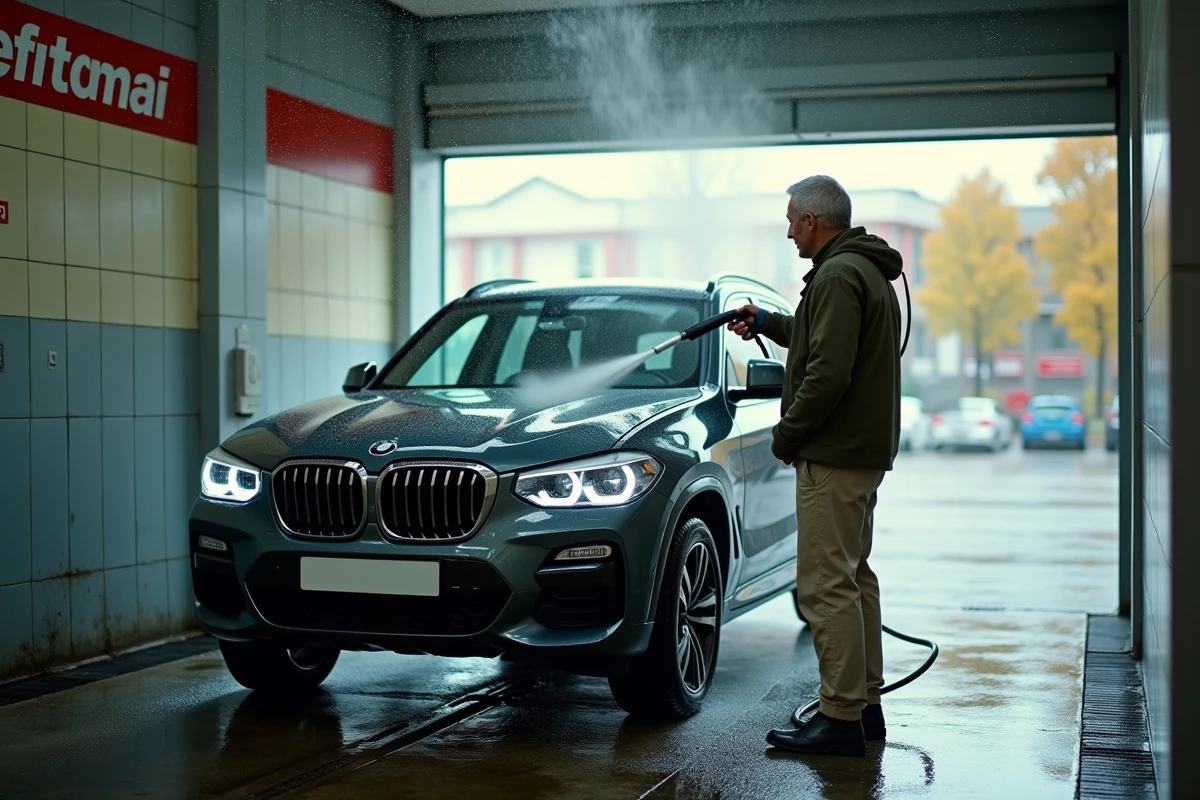
On the Tous les Faits auto website, you can find sheets detailing these often overlooked points in standard maintenance guides. The concrete action: with every body wash, wipe a damp microfiber cloth over each sensor area (corners of the bumper, base of the mirror, grille, rear window).
- Rear camera and 360° camera: a layer of dust reduces image clarity to the point of making assistance useless.
- Front and rear parking radar: dried mud or frost blocks the ultrasonic signal, causing phantom alerts or, worse, no alerts at all.
- Lane keeping sensor (camera behind the windshield): a greasy or stained windshield silently disables the system on certain models.
Braking and pollution: two reasons for re-inspection linked to daily use
Technical control centers are seeing an increase in re-inspections for braking imbalance and excessive pollution. These two faults do not necessarily come from a worn part. They often result from a driving style that is too gentle or too sedentary.
De-icing brake discs without going to the garage
A vehicle that drives little, or only in the city at low speed, accumulates a layer of oxidation on the discs. Two or three firm brake applications on an open road are enough to de-ice the surface. Ideally, this should be done once a week when driving only in urban areas.
The typical symptom: a scraping noise on the first brake application in the morning that disappears after a few hundred meters. If this noise persists beyond that, the problem is mechanical and requires a workshop visit.
Cleaning a diesel without a miracle additive
A diesel engine that only makes short trips never reaches a high enough temperature to regenerate its particulate filter. The result: a check engine light, excessive fuel consumption, and a failed technical inspection.
Driving for twenty minutes on a fast lane at a sustained speed (without speeding) initiates the filter regeneration. Feedback varies on the ideal frequency, but a trip of this type every two to three weeks is sufficient for most mixed uses.
Tires and pressure: the check that changes handling and consumption
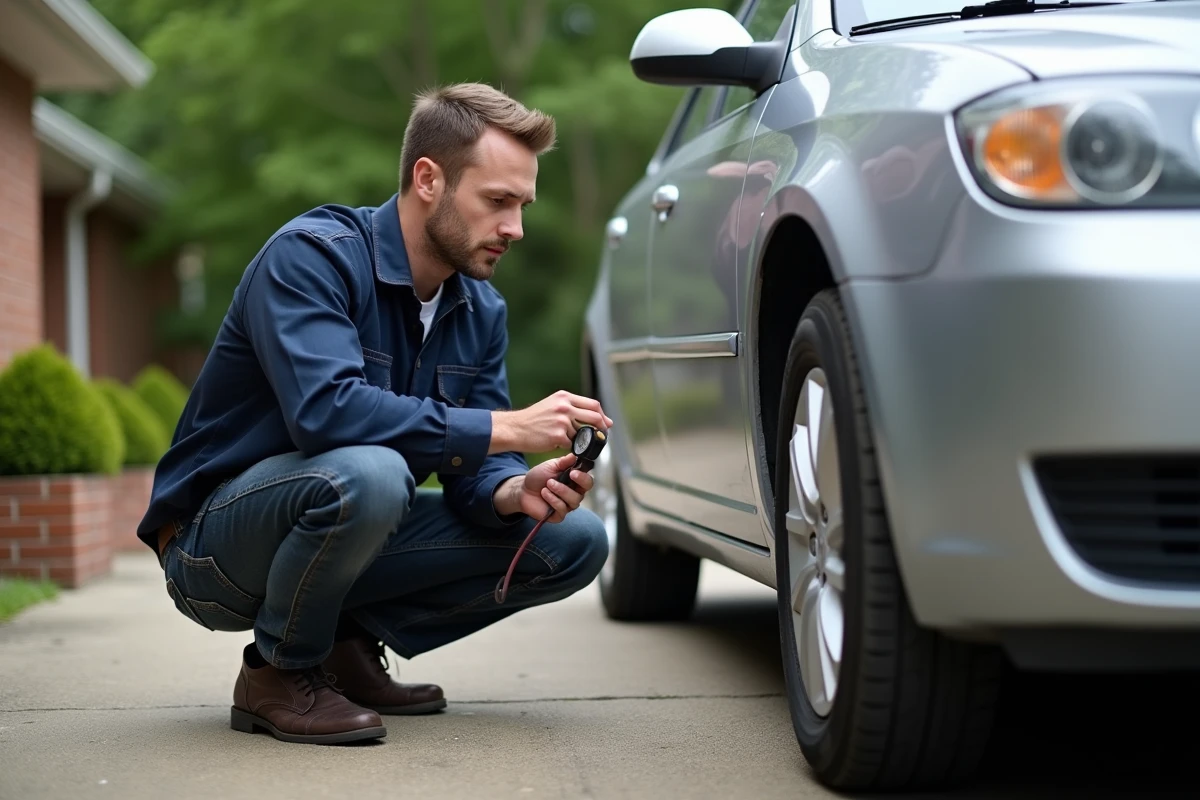
Tire pressure naturally decreases by about one-tenth of a bar per month. Below the value prescribed by the manufacturer (indicated on the driver’s door edge or in the fuel flap), the tire wears asymmetrically, braking distance increases, and fuel consumption rises.
Pressure should be checked when cold, meaning before driving or after less than three kilometers. Inflation stations at gas stations sometimes display inaccurate values when poorly calibrated. Investing in a reliable personal pressure gauge costs a few euros and provides a more stable measurement.
The condition of the tread can be checked visually. The wear indicators, those small rubber bridges at the bottom of the grooves, should remain recessed compared to the surface. If they are flush, the tire is at the legal limit.
Car maintenance and insurance: an increasingly direct financial link
Several insurers now offer connected plans or packages combining insurance and maintenance tracking. The French Insurance Federation notes this trend in its report on innovations in auto insurance. Players like MAIF or Allianz are incorporating offers where a well-maintained vehicle can benefit from more favorable pricing conditions.
The principle is based on onboard telematics or the transmission of maintenance invoices. An up-to-date maintenance history, a technical inspection without re-inspection, compliant tires: these elements are becoming criteria in the calculation of the premium, alongside the bonus-malus.
For the motorist, the stakes go beyond road safety. A well-maintained service book also protects the resale value of the vehicle and can reduce the overall cost of ownership over several years.
Fluid levels and windshield wipers: the monthly check that prevents running dry
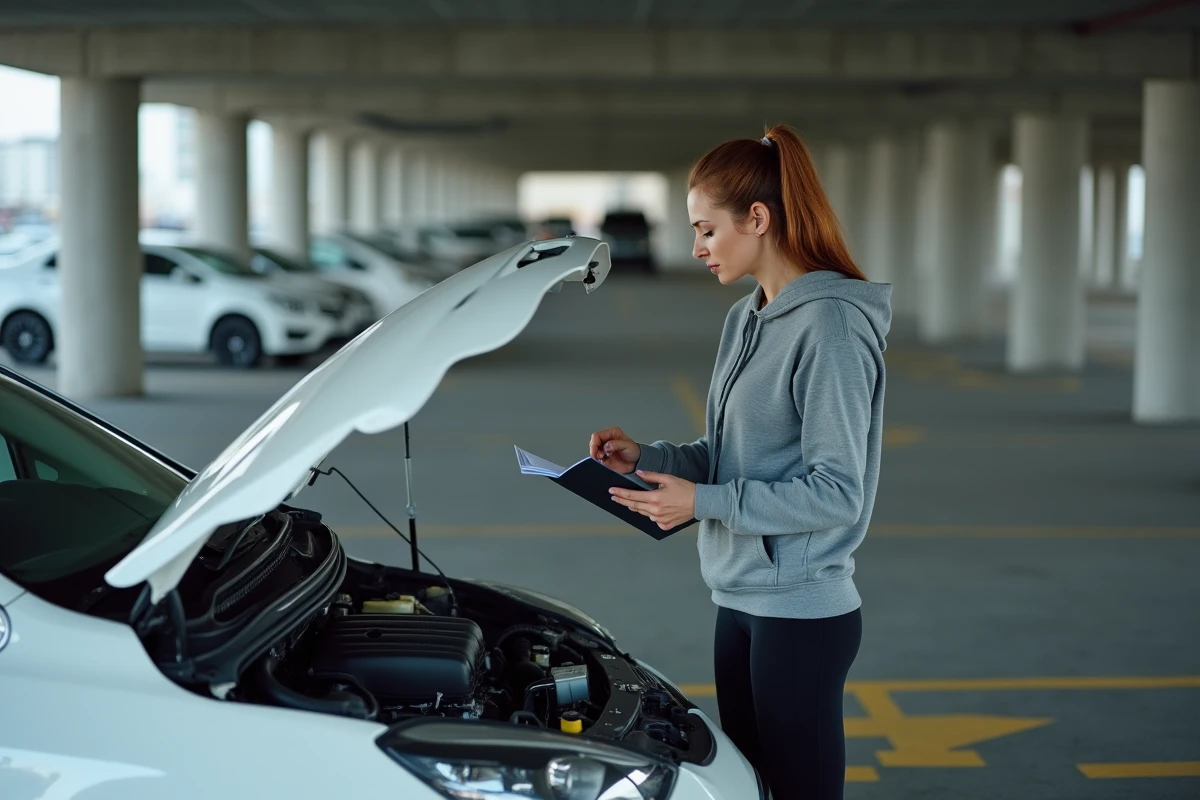
Opening the hood once a month to check the levels remains the basic gesture. The coolant should be checked when the engine is cold, between the min and max markers on the expansion tank. The brake fluid, visible in its translucent reservoir, should never drop below the minimum marker.
- Engine oil: pull the dipstick, wipe it, reinsert, read the level. Abnormal consumption between oil changes may indicate a sealing issue.
- Windshield washer fluid: filling it with a product suitable for the season (antifreeze in winter) prevents the nozzles and hoses from freezing.
- Windshield wipers: blades that leave streaks or vibrate on the windshield should be replaced. Their lifespan rarely exceeds one year under normal use.
A defect in any of these points does not always trigger a warning light on the dashboard. This is precisely why regular visual checks remain meaningful, even on a recent vehicle loaded with sensors.