A wedding is typically planned over a period of twelve to eighteen months. During this time, aesthetic codes, reception formats, and guest expectations evolve. Knowing the current wedding trends allows for coherent choices from the very first weeks of planning, avoiding any backtracking on decoration, menu, or the flow of the day.
Phone-free ceremonies and immersive experiences: what changes the flow
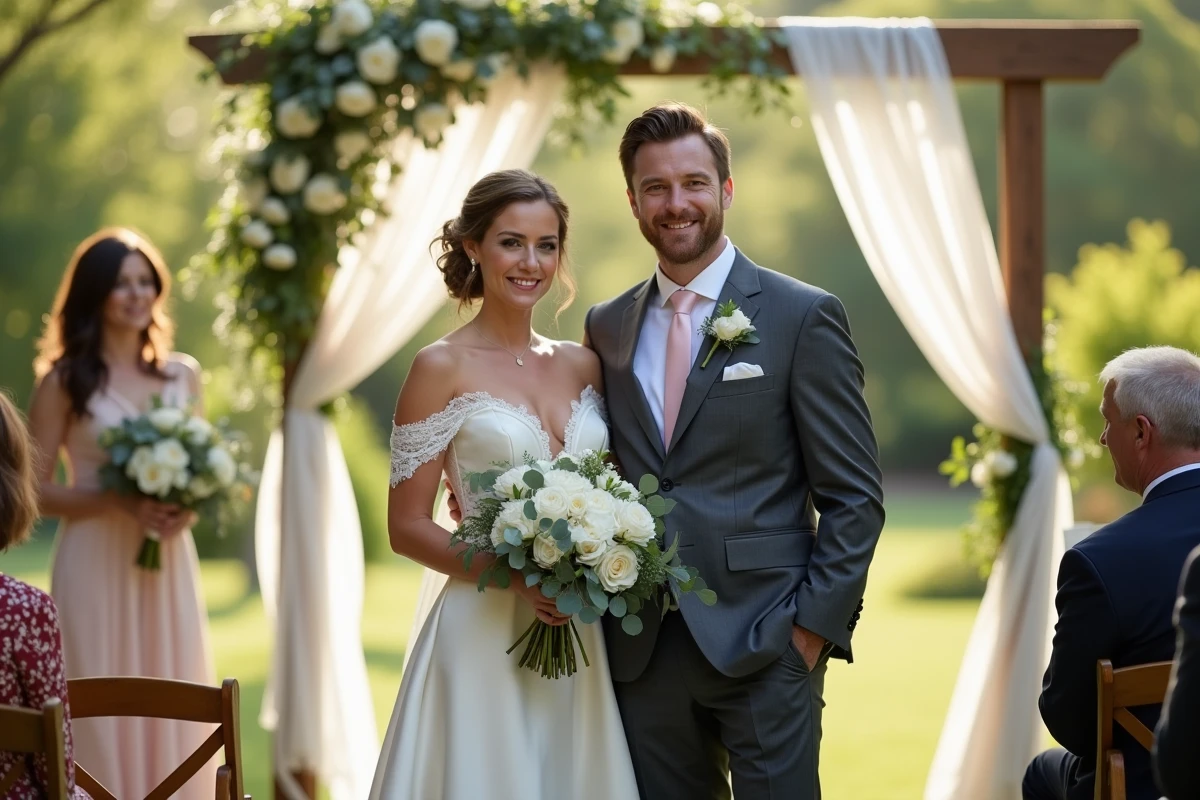
The so-called “unplugged” ceremony, where guests put away their phones, is gaining ground. The principle is simple: no screens raised during the exchange of vows. The professional photographer remains the only one capturing the moment, ensuring images without arms or smartphones in the background.
This practice also alters the atmosphere. Guests watch the couple, not their screens. A sign at the entrance of the ceremony venue is enough to establish the rule. A phone-free ceremony refocuses attention on the couple, and nearly all guests comply without difficulty.
Another trend reshaping the day is immersive entertainment. Rather than a DJ followed by a photobooth, some couples incorporate mobile bars (cocktails prepared in front of guests), interactive culinary workshops during the cocktail hour, or short artistic performances between meal courses. By checking the latest wedding news on Actu Mariage, one can quickly identify which formats work based on the size and budget of the reception.

Color palette and wedding decoration: choices that mark 2026
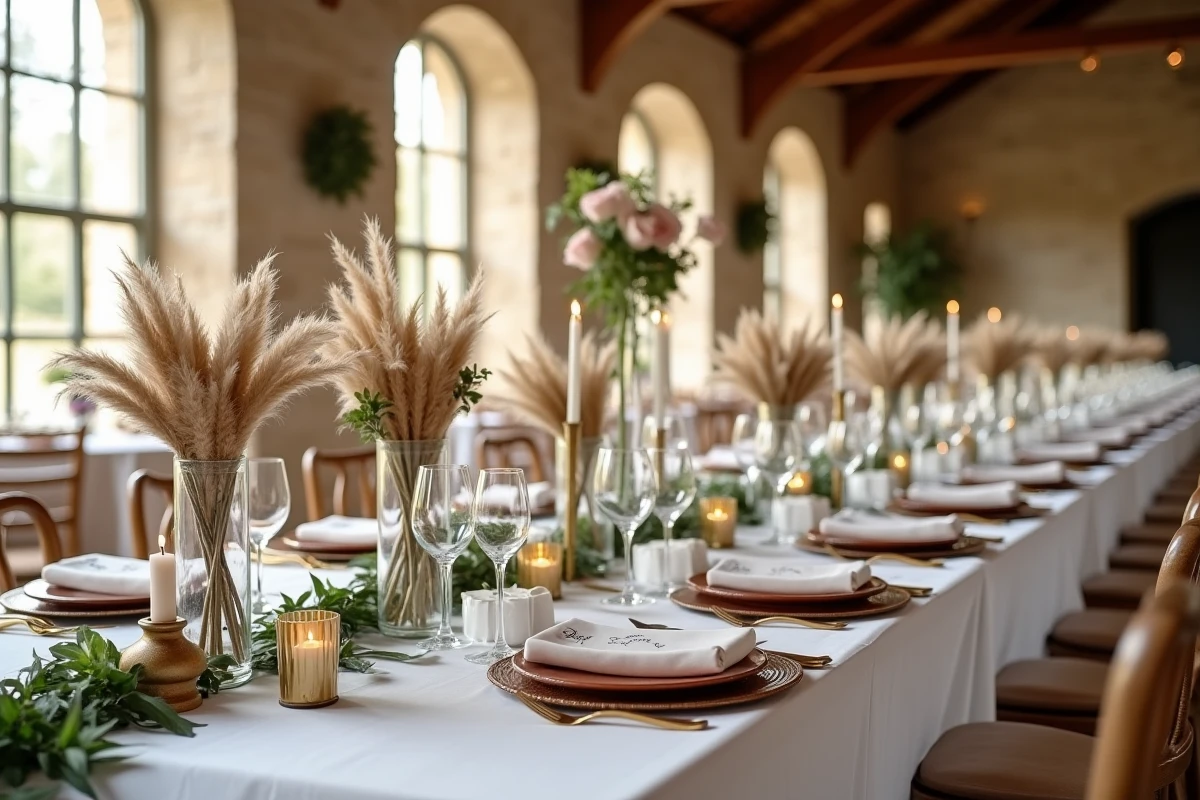
Pastel shades, long dominant in wedding decoration, are giving way. Couples are leaning towards bolder palettes: deep terracotta, sage green, burgundy, or even bold black on stationery and tablecloths.
Contrast replaces uniform softness in decoration choices. A black and white wedding, for example, creates a strong visual identity without multiplying accessories. Conversely, the minimalist style pushes sobriety even further: few flowers, clean lines, raw materials like linen or light wood.
Draping is also making a comeback in reception venues. Suspended fabrics transform an industrial space or barn into an elegant reception hall, often at a lower cost than a full decorative florist.
Local flowers and responsible decoration
The eco-responsible trend directly influences flower choices. Favoring local and seasonal varieties reduces the wedding’s carbon footprint and ensures fresher flowers on the big day. Seasonal flowers are cheaper and last longer than an out-of-season imported variety.
Some couples go further by hunting for their table decoration: mismatched vases, vintage candlesticks, tablecloths made from reclaimed fabric. This choice adds a personal touch to each table and avoids the uniformity of rental catalogs.
Bridal gown and groom’s outfit: fashion trends to know
The bridal gown in 2026 follows two opposing directions, and both are successful.
- The minimalist style: straight or slightly flared cuts, few embroideries, flowing fabrics like crepe or matte satin. This type of gown highlights the silhouette without dramatic effects.
- The bold glam style: puffed sleeves, long trains, details in beads or 3D lace. This style embraces the “princess gown” aspect without compromise.
- The second-hand or vintage gown, driven by the eco-responsible trend. Specialized resale platforms offer designer models at a fraction of the new price.
Choosing a bridal gown according to the reception venue avoids visual mismatches: a long train in a sloped garden presents practical challenges that are often underestimated.
For the groom, the classic three-piece suit remains a safe bet, but fabrics are changing. Linen, textured cotton, and light shades (beige, sky blue, pearl gray) are gradually replacing strict black for spring and summer weddings.
Wedding meal organization: buffet, served menu, and hybrid formats
The choice of meal format structures the entire evening. A buffet extends the cocktail hour and encourages mingling among guests. A served meal imposes a more structured rhythm, with defined times for speeches and entertainment.
The hybrid format is gaining popularity: a generous cocktail hour with culinary stations (cheese, seafood, tapas), followed by a main course served at the table. This compromise reduces waiting time between courses while maintaining a seated moment for speeches.
Vegetarian menus and dietary options
Offering at least one vegetarian option is no longer a militant gesture; it’s a matter of comfort for guests. Most caterers now include a meat-free menu in their standard offerings.
- Including a “dietary requirements” field on the RSVP card allows for anticipating allergies and intolerances.
- A well-crafted vegetarian menu (mushroom risotto, fine vegetable tart) also satisfies non-vegetarians.
- Vegan options remain rarer among traditional caterers: checking their menu in advance avoids unpleasant surprises.
The meal budget represents the heaviest item in wedding planning. Balancing the number of guests and the quality of the menu remains the most significant financial choice for couples.
Wedding trends evolve quickly, but the fundamentals remain the same: a venue suited to the number of guests, decoration that reflects the couple, and a meal that lives up to expectations. Ceremony and entertainment formats change, as do guest expectations. Taking the time to sort through what truly aligns with one’s project, rather than piling up ideas seen online, remains the best way to build a coherent day.