
We’re planning a trip to Portugal, booking a flight to Lisbon, ticking off the same landmarks as everyone else, and coming home with the same photos as millions of other travelers. This pattern is familiar to many of us. Exploring the world differently starts with a practical decision: changing how we choose a destination, transport and accommodation—and, above all, what we do once we get there.
This travel guide offers practical pointers for anyone looking to venture beyond the beaten path without simply winging it. No lofty abstractions—just tried-and-tested methods, verifiable criteria and ideas for building an itinerary that works.
Check a destination’s responsible tourism commitments before booking
Before even choosing a country or region, we’re faced with an avalanche of marketing promises: “eco-friendly” accommodation, “authentic” tours and self-proclaimed labels. It takes a little know-how to tell a verifiable commitment from a mere sales pitch.
EU Directive 2024/825 specifically targets vague environmental claims such as “eco-friendly” or “environmentally friendly” when they aren’t backed by evidence. For travelers, this means adopting a simple habit: look for details about the scope of the commitment being advertised. An accommodation provider that promotes its environmental efforts should be able to explain what it measures (water consumption, waste management, local sourcing) and how.
- Check whether the label displayed is awarded by an independent third-party organization, rather than by the establishment itself or a commercial network it belongs to
- Look for concrete information on the organization’s website: the percentage of local products served, its water treatment system, and its pay policy for local staff
- Read traveler reviews that mention practices they observed on site, not just the quality of their stay
In France, some regions organize their offerings around documented local itineraries. For example, the Loire Valley Unpacked website features itineraries that detail the producers, craftspeople and places visited, making it possible to check in advance what you’ll actually discover.
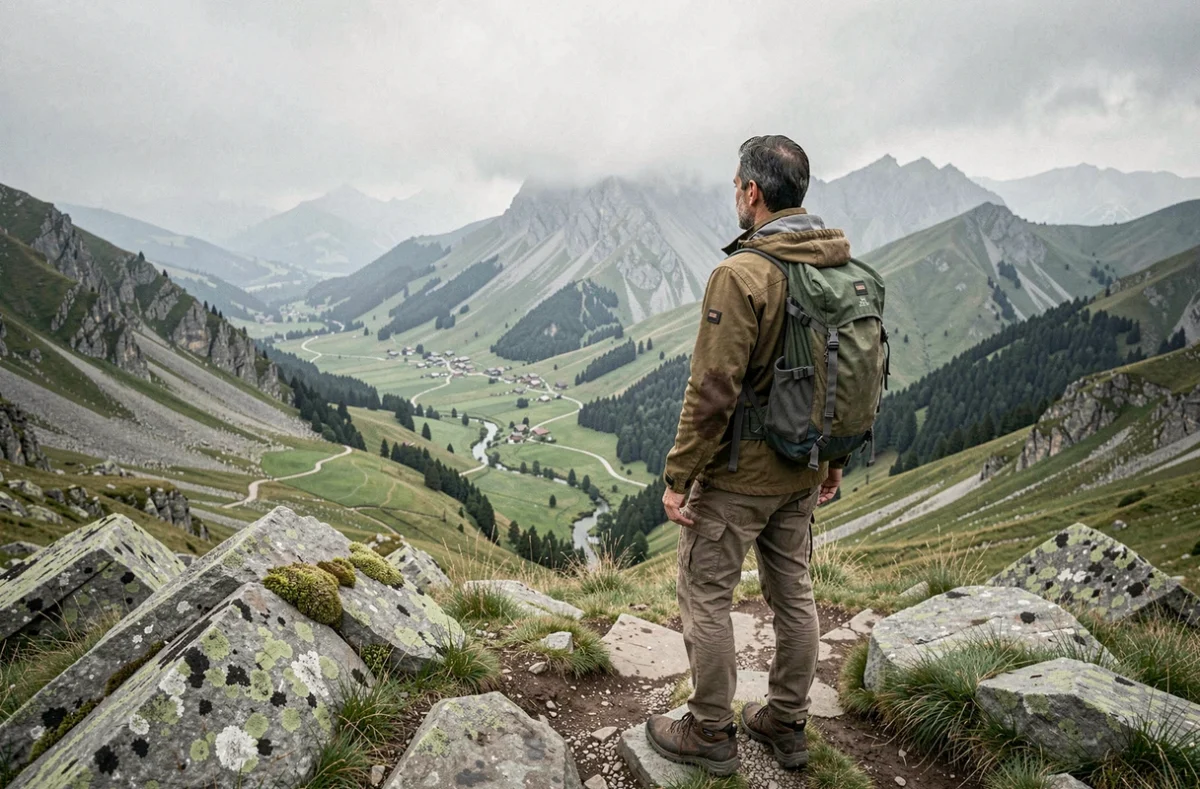
Travel closer to home: explore differently without flying
The vast majority of tourist trips taken by EU residents remain within the bloc. This Eurostat finding is a reminder of an often-overlooked truth: exploring differently often starts just a few hundred kilometers from home.
The instinct to fly to Barcelona or Rome for a weekend is worth questioning—not out of guilt, but because traveling by train offers a completely different connection to the places along the way. Between Paris and the Ligurian coast, the night train crosses the Alps. Between Bordeaux and the Spanish Basque Country, taking a regional train and then the Euskotren lets you watch the landscape gradually change.
Make the train the backbone of your itinerary
Building a trip around the rail network forces you to rethink the pace. Instead of jumping from point A to point B and flying over everything in between, every stop becomes a potential destination—a village you might never have visited otherwise.
Europe’s rail network makes it possible to combine routes that few travelers take. Traveling from Marseille to Prague via Milan, Innsbruck and Vienna takes time, but each leg passes through distinct landscapes and cultures. The journey begins on the train, not when you arrive.
Use a bike for the last few kilometers
Combining train travel with cycling solves a common problem when traveling without a car: getting around locally. In many European regions, train stations serve mid-sized towns, but natural sites, farms and hilltop villages are still around 20 kilometers away. Bringing a folding bike on the train or renting one at the station can make all the difference.
La Loire à Vélo, Spain’s greenways and the Dutch cycling network are all designed for this kind of travel. We’re not talking about sporty cycle touring, but routes that are flat or nearly flat and accessible to travelers of all abilities.
Overtourism and visitor management: what destinations are doing in practice
Traveling differently also means understanding why some destinations impose restrictions. Visitor quotas, mandatory reservations and seasonal pricing aren’t administrative whims. They’re practical tools for managing the pressure of tourism.
Whether these rules are justified depends on how local communities define the problem. A city limiting access to its historic center is responding differently from a nature park that schedules visitor time slots. In both cases, the underlying idea is similar: spread out visitor numbers to preserve what attracted people in the first place.
Quotas and organized routes: the example of overcrowded sites
Some destinations combine daily visitor quotas with organized routes to reduce the number of people gathering at the same places and times. This kind of system keeps sites accessible while limiting damage.
For travelers, this means booking in advance—sometimes several weeks ahead. It changes how you plan, but it also helps ensure a better experience. Visiting a site with limited numbers of people is nothing like jostling through the crowds at an unrestricted site during peak season.
Choose your dates and times carefully
The advice to “travel off-season” is repeated everywhere, but it often lacks specifics. Off-season doesn’t necessarily mean a rainy November. The shoulder seasons (April–May and September–October) often offer decent weather and far fewer visitors than the summer peak.
Even during peak season, shifting your visit by two hours can make a measurable difference. Arriving when a site opens or visiting in the late afternoon can completely change the experience without changing the destination.
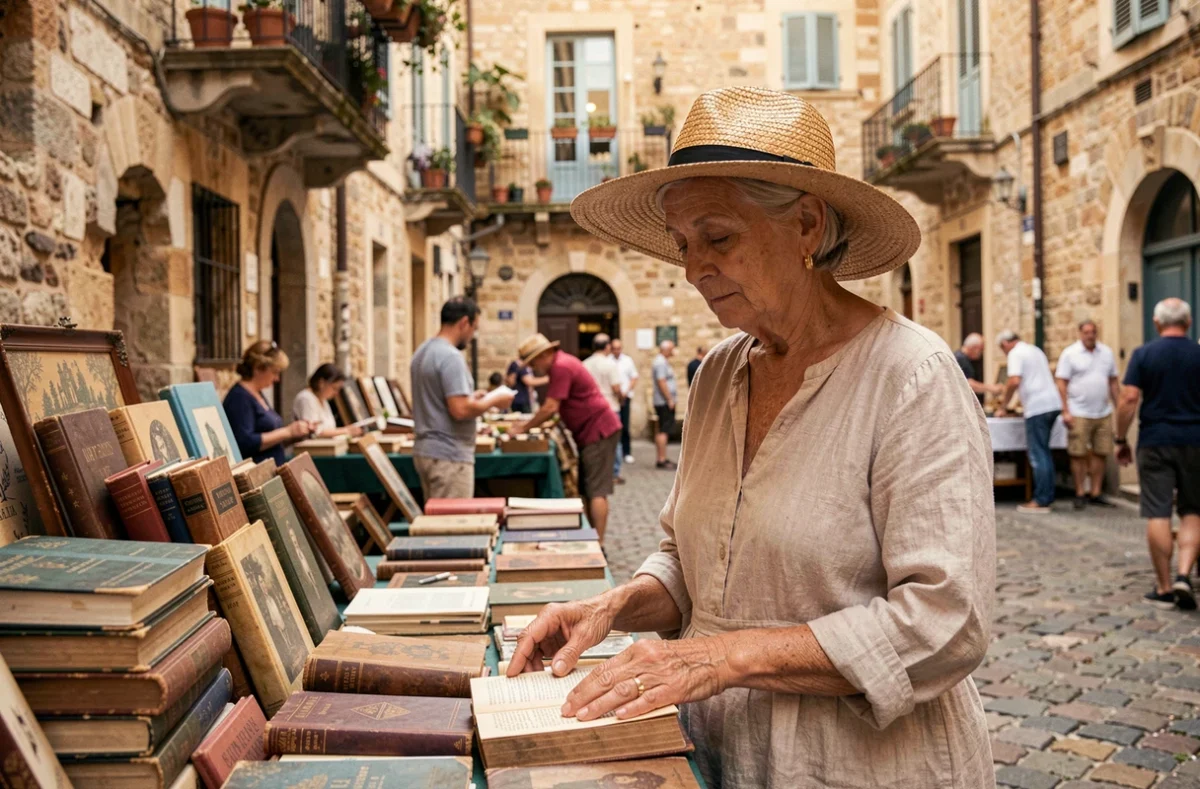
Responsible accommodation: practical criteria for choosing where to stay
Your choice of accommodation has a significant impact on the footprint of your trip. The difference between an international hotel chain and a guest room run by local residents goes beyond comfort or price. It also affects how tourism revenue is distributed locally.
- Businesses that employ local staff year-round—not just seasonally—contribute more to the local economy than those that rely on temporary workers from elsewhere
- Accommodation providers that source food from local producers create a multiplier effect: every euro spent circulates through the local economy several times
- Small independent businesses keep a larger share of their revenue in the area, while booking platforms take a significant commission
- Farm stays, rural cottages and mountain refuges offer direct access to local skills and traditions that standardized businesses can’t replicate
Transparency remains the most reliable criterion. An establishment that explains where its products come from, how it manages waste and who works there deserves more trust than one that simply displays a green logo on its homepage.
How to build a responsible travel itinerary, step by step
Planning a trip differently isn’t like booking an all-inclusive package. It takes a little more time upfront, but the result is a richer experience.
The first step is to define a smaller geographic area rather than trying to cover an entire country. Visiting three regions in ten days is just passing through. Focusing on a valley, a stretch of coastline or a mountain range for the same amount of time lets you explore in depth.
Next, identify the transport options available locally: regional trains, local buses, bike rentals and riverboats. This logistical constraint becomes a way to narrow down your choices: places you can reach without a car are often less crowded precisely because they’re not on the classic tourist routes.
The third step is to seek out opportunities to meet people. Look for craftspeople, producers and local cultural associations that welcome visitors. These kinds of experiences aren’t always listed on mainstream booking platforms. Local tourist offices, long-term travel blogs and specialist regional guides remain the best sources for finding them.

Exploring the world differently isn’t just an attitude or a label. It’s a series of practical, verifiable choices made before and during a trip. The EU directive on environmental claims is pushing things in this direction: fewer promises, more proof. The same logic applies to travelers. Every decision—from transport and accommodation to how you spend your time on site—shapes the kind of tourism you support.