
Large retail brands have recently undertaken a massive overhaul of their visual identity to meet consumer expectations. This transformation is not just a cosmetic facelift, but a strategic change aimed at strengthening customer loyalty and differentiating themselves in an ultra-competitive market.
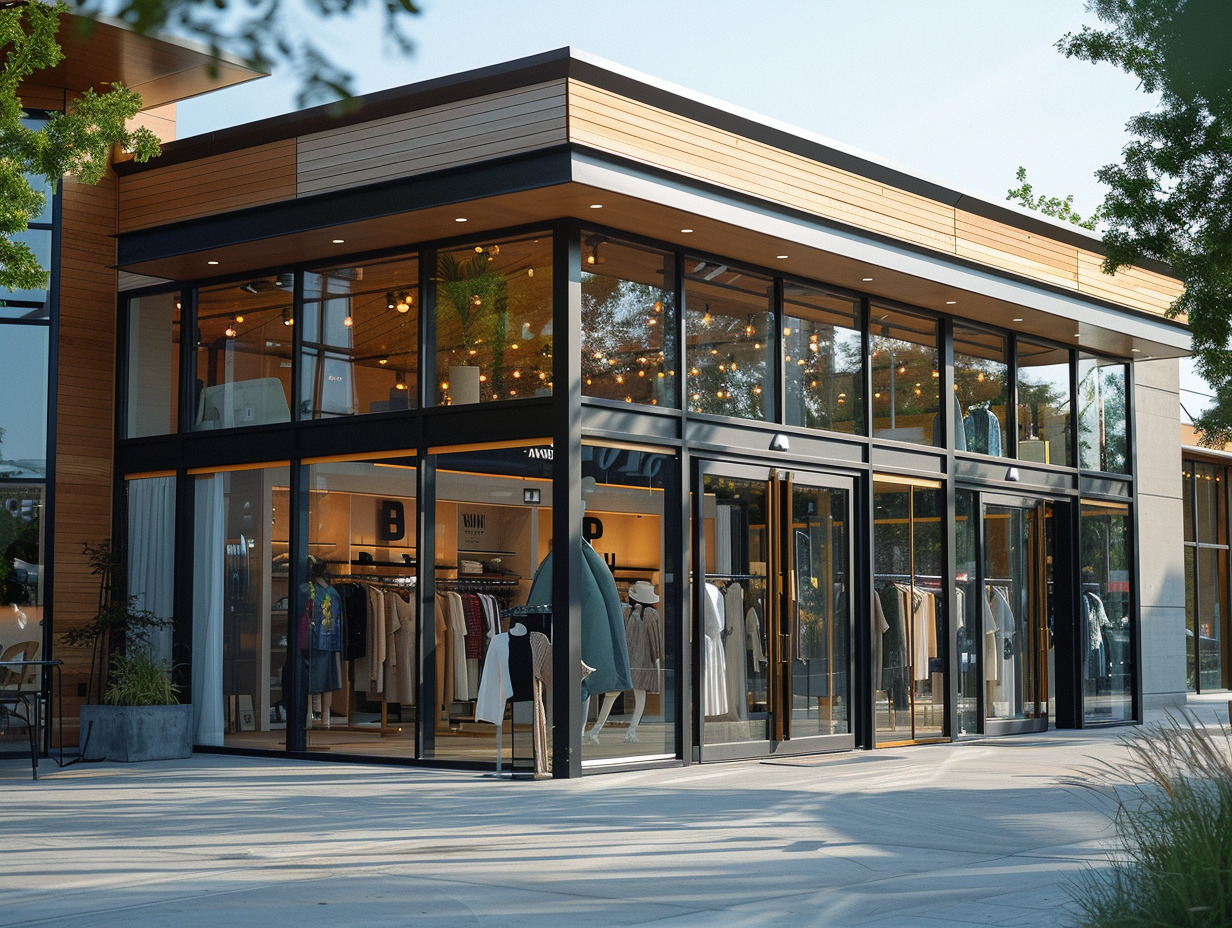
Logos, colors, fonts, and even store layouts are being revisited. The new visual identities tend towards cleaner and more modern designs, often focused on eco-friendly values and better readability. The goal is to create a stronger emotional connection with consumers while reflecting contemporary values of transparency and sustainability.
The reasons behind visual identity changes in large retail
Large retail brands have undertaken profound transformations of their visual identity in recent years. These modifications are not mere aesthetic adjustments, but carefully considered strategies aimed at repositioning the brand. The overhaul of a visual identity includes major elements such as logos, colors, typographies, and graphic elements, which together represent the personality, values, and history of a brand.
The redesign of the visual identity primarily aims to attract and retain an increasingly demanding and connected clientele. In this context, the Intermarché logo has been rethought to be easily recognizable and memorable, thereby strengthening the emotional bond with the consumer. Brands seek to stand out in a saturated commercial environment by adopting modern and streamlined graphic charters.
The adoption of contemporary values such as eco-responsibility and transparency is also at the heart of these transformations. The chosen colors, for example, are not trivial: they are mentally associated with specific values. Green evokes ecology, while blue inspires trust. The typographies, for their part, have their own symbolism and allow for the expression of the brand’s values while ensuring optimal readability.
Differentiation in an ultra-competitive market is another driving force behind these changes. A well-thought-out graphic identity allows a brand to stand out from the competition and strengthen its communication strategy. A thoughtful and harmonious layout optimizes the impact of communication materials, making each interaction with the brand significant and memorable. Visual elements, such as icons and illustrations, are designed to represent concepts, ideas, or values related to the brand’s field, thus creating a coherent and impactful visual identity.
Case studies: analysis of recent transformations
The overhaul of visual identity is a global phenomenon that many major brands have recently embraced. Take for example Starbucks, which uses green as its primary color to represent freshness and prosperity. This choice is not trivial, as it reflects a desire to connect with environmental and wellness values, which are increasingly valued by consumers.
- McDonald’s has also followed this ecological trend. In France and Switzerland, the brand opted for a green ‘M’ logo, marking a shift towards a more eco-responsible image.
- Peugeot and Renault both underwent rebranding in 2021. Peugeot adopted a neo-futuristic style, while Renault turned to a minimalist design, illustrating two distinct approaches to modernizing their image.
- Airbnb introduced the ‘Belo’ logo, designed to graphically express the company’s personality and values. This logo symbolizes community, belonging, and hospitality, values that are dear to the platform.
Not all transformations are successful. Tropicana is a striking example. After a packaging change that was not recognized by consumers, the brand suffered a 20% drop in sales. This episode illustrates the importance of a well-thought-out transition and the buy-in of the target audience.
These case studies show that transforming visual identity can be a powerful lever for brands. However, it must be carried out with a deep understanding of consumer expectations and consistency with the company’s values.